
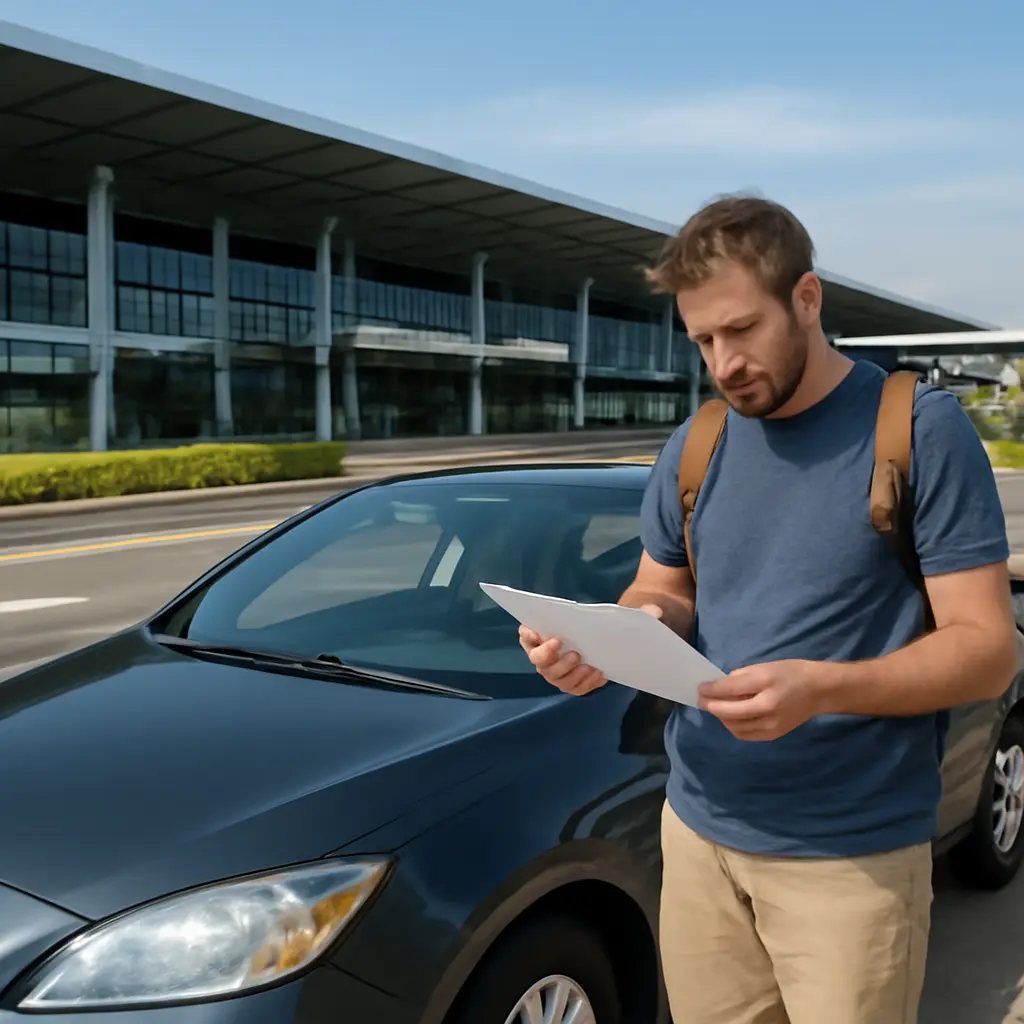
Transport planning is the practical work of making sure people, vehicles, goods, and essential documents can reach the right place at the right time. The transport checklist nobody talks about until it is too late is the set of checks that prevent a manageable delay from becoming a missed flight, stranded passenger, damaged shipment, or safety emergency: confirm the route and timing, verify vehicle and traveler requirements, prepare contingency plans, and keep critical contacts and records accessible. These checks matter because disruption is common: the U.S. Federal Highway Administration estimates that traffic incidents account for about one-quarter of congestion on U.S. roads, while the Bureau of Transportation Statistics tracks widespread flight delays and cancellations. A reliable checklist links route planning to safety, accessibility, cargo protection, and disruption response.
Transport readiness: the checklist’s core attributes
Transport readiness means having the people, equipment, information, and fallback arrangements needed to complete a journey or delivery safely and reliably. The U.S. Department of Transportation describes transportation planning as a process for identifying needs and evaluating ways to move people and goods; at the trip level, readiness turns that broad idea into verifiable actions. Its key attributes are accuracy, safety, accessibility, documentation, and resilience. The relevant forms—or hyponyms—include personal travel checks, fleet and driver checks, freight checks, and emergency-transport checks.
Route, time, and connection checks
A route check confirms the origin, destination, planned path, travel time, and any transfer or delivery window. Verify addresses, terminal or gate information, road restrictions, operating hours, local conditions, and a realistic time buffer. For air connections, check the carrier’s current schedule and minimum connection guidance rather than assuming a published departure time guarantees a workable transfer. The Bureau of Transportation Statistics’ airline performance data regularly documents delays and cancellations, making a backup connection or alternate ground route a practical part of planning, not an afterthought.
Vehicle, driver, and passenger safety
A vehicle-and-people check confirms that the transport is fit for the journey and that occupants can travel safely. For a private car, inspect tires, lights, brakes, fuel or charge, windshield visibility, and emergency equipment; for commercial operations, follow the applicable inspection and hours-of-service rules. The U.S. National Highway Traffic Safety Administration reported 40,901 traffic fatalities in 2023, underscoring why basic readiness and safe driving practices matter. Confirm seat belts, child restraints where needed, driver authorization, rest arrangements, and a plan for illness or fatigue.
Accessibility and traveler needs
An accessibility check ensures the journey works for each traveler, including people with disabilities, children, older adults, and anyone with medical or communication needs. Confirm wheelchair or mobility-device arrangements, assistance requests, accessible boarding points, service-animal policies, medication access, and the availability of required facilities at transfer points. The U.S. Department of Transportation’s Air Carrier Access Act guidance explains protections for passengers with disabilities on covered flights. Sharing needs with the carrier or provider in advance reduces the risk that assistance is unavailable at the point of travel.
Transport documentation and cargo protection
Once the route and people are accounted for, the next checklist attribute is proof: the records that establish who or what is moving, under what conditions, and who is responsible. Documentation requirements vary by mode, destination, and cargo, but missing or inconsistent paperwork can delay boarding, border clearance, delivery, or reimbursement.
Identity, tickets, permits, and contact records
Travel-document checks verify that names, dates, identification, tickets, visas, permits, and booking details match the journey. Keep required documents accessible, and store secure copies separately from originals. For international travel, consult official destination and government guidance because entry rules can change. For a work vehicle or regulated fleet, confirm licenses, registrations, insurance, inspection records, and any route-specific permits. A useful final check is to ensure that someone not traveling knows the itinerary and how to reach the traveler or operator.
Freight, packaging, and chain of custody
A freight check verifies that the shipment is correctly described, packed, labeled, secured, and documented. Confirm weight and dimensions, handling instructions, delivery address, consignee contact, proof-of-delivery requirements, and any temperature, security, or hazardous-material controls. The U.S. Department of Transportation’s Pipeline and Hazardous Materials Safety Administration sets requirements for hazardous materials transportation, including classification, packaging, marking, labeling, and shipping papers. For perishable or high-value cargo, record condition and custody at handoff so that a delay or damage claim can be investigated.
Transport contingency planning and disruption response
A complete checklist does not assume the plan will go perfectly. It identifies likely failure points and gives people a clear response: whom to contact, what alternatives are acceptable, and which decisions require approval. This is especially important because road incidents, severe weather, equipment faults, labor disruptions, and missed connections can affect both passenger journeys and supply chains.
Backups, communications, and emergency supplies
A contingency check names an alternate route or provider, a decision point for switching plans, and a communication method that works if mobile service or internet access fails. Carry essential medication, water, chargers or power banks, and any mode-appropriate emergency supplies. For fleet or delivery operations, define escalation contacts, roadside assistance procedures, replacement-vehicle arrangements, and instructions for protecting passengers or cargo while waiting. The Federal Highway Administration’s incident-management guidance emphasizes that coordinated response can help reduce the effects of roadway incidents and restore traffic flow.
A practical final-check sequence
Use this short sequence before departure or dispatch, adapting it to the mode and risk:
- Confirm the destination, route, schedule, transfer points, and arrival deadline.
- Check the vehicle or carrier status, weather, traffic, and any service alerts.
- Verify traveler identity, booking details, permissions, and accessibility arrangements.
- Inspect cargo, packaging, labels, required records, and handoff contacts.
- Share the itinerary or dispatch plan and confirm a backup route, contact, and decision point.
For example, a family driving to an airport can avoid a preventable missed flight by checking road conditions, confirming parking and terminal details, allowing a disruption buffer, and keeping airline and roadside contacts available. A small delivery operator can apply the same logic by checking vehicle condition, confirming a receiver’s opening hours, securing the load, and identifying an alternate vehicle or delivery window.
Conclusion: make transport readiness routine
Transport readiness brings together route and timing checks, safe vehicles and prepared travelers, accessible services, accurate documents, protected cargo, and clear contingencies. Those attributes are easy to overlook when a trip seems routine, yet they are precisely what help prevent small disruptions from becoming costly or dangerous. Before the next journey or dispatch, use a written checklist, assign responsibility for each check, and review official carrier, transport, and destination guidance. A few minutes of preparation can protect people, schedules, and goods when plans change.
Sources: U.S. Federal Highway Administration, Traffic Congestion and Reliability: Trends and Advanced Strategies for Congestion Mitigation, https://ops.fhwa.dot.gov/congestion_report/; U.S. Bureau of Transportation Statistics, Airline On-Time Statistics and Delay Causes, https://www.transtats.bts.gov/OT_Delay/OT_DelayCause1.asp; National Highway Traffic Safety Administration, 2023 Fatality Data Show a 4.3 Percent Decline in Traffic Deaths, https://www.nhtsa.gov/press-releases/traffic-crash-deaths-2023; U.S. Department of Transportation, Air Carrier Access Act, https://www.transportation.gov/airconsumer/passengers-disabilities; Pipeline and Hazardous Materials Safety Administration, Hazardous Materials Regulations, https://www.phmsa.dot.gov/standards-rulemaking/hazmat/hazardous-materials-regulations; Federal Highway Administration, Traffic Incident Management, https://ops.fhwa.dot.gov/eto_tim_pse/about/tim.htm